Year: 2025
Sector: master-planning / public building
Client: Sezad/Opaz
Management/Engineering: SERING INTERNATIONAL
Activity: Concept Design, Preliminary Design, Detail Design
The Rock Garden is one of Oman’s most extraordinary natural landmarks—a landscape where geology, wind, and time have sculpted stone into a vast open-air gallery. Set within the Special Economic Zone at Duqm (SEZAD), in Al Wusta Governorate, administered by the Public Authority for Special Economic Zones and Free Zones (OPAZ), the project is part of a national vision to preserve Oman’s unique geological, archaeological and environmental heritage while creating a high-value educational and touristic destination.
The site covers approximately 6 km², on the threshold between the Arabian Sea and the inland desert plateau, a short distance from the growing city and port of Duqm. In this spacious and still largely untouched setting, the Rock Garden stands as a singular meeting point of nature, culture, and opportunity.
The Rock Garden itself is a 6-square kilometer site of extraordinary geological formations, aged from the Cretaceous to Jurassic periods, shaped over millions of years through natural erosion and karstification. The site features limestone and sandstone structures, fossil-rich strata, and ancient ritualistic trilith monuments, all embedded within a unique desert landscape. Due to its significance, the area is both ecologically fragile and of international scientific interest.
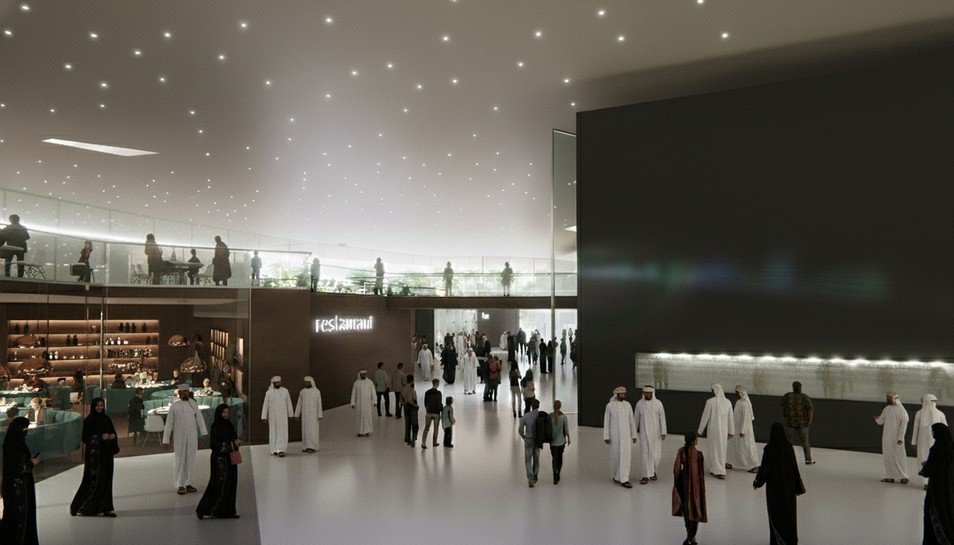
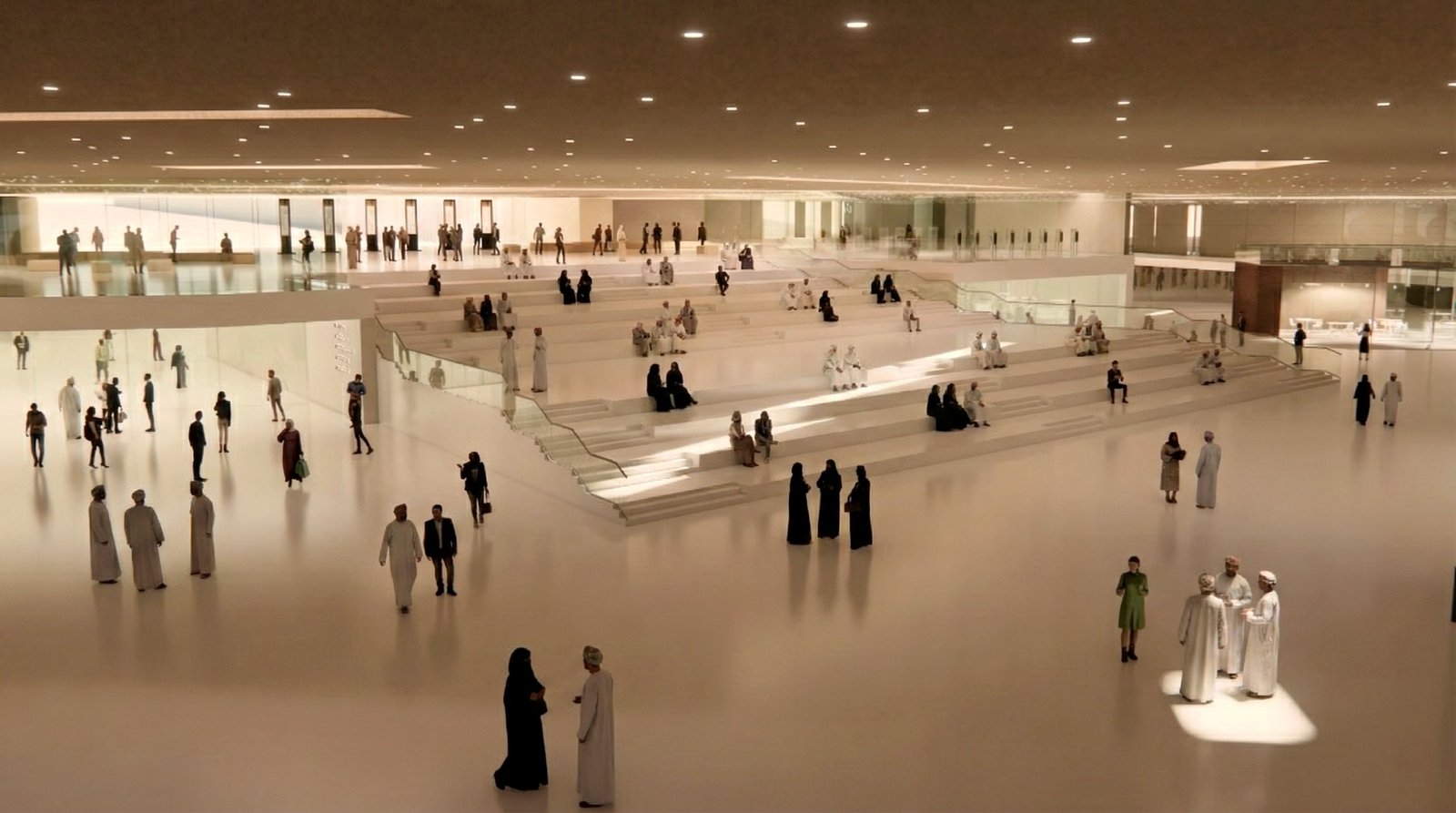
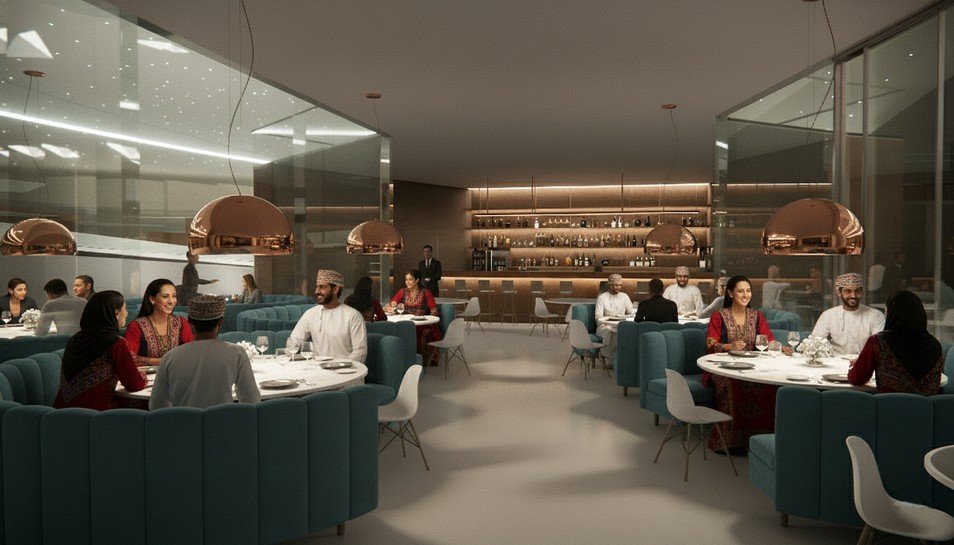
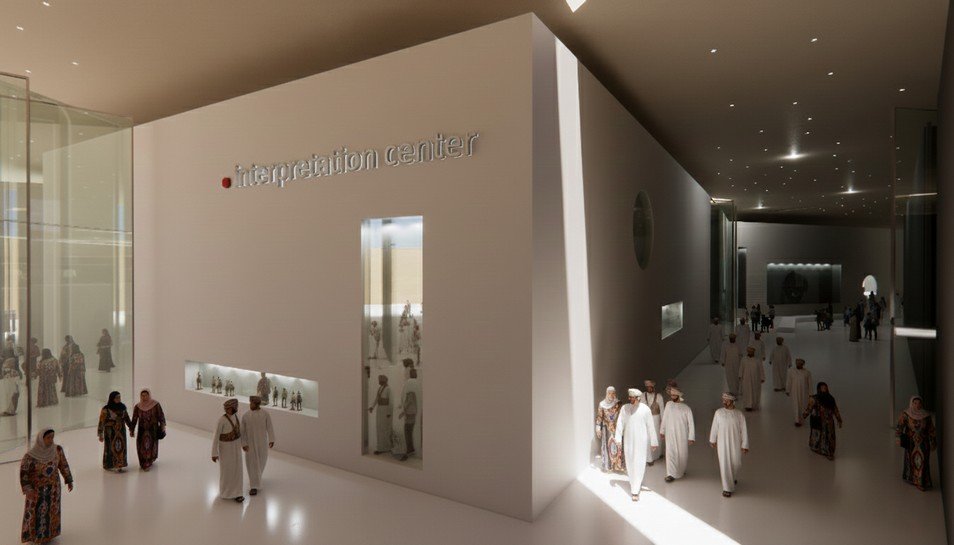
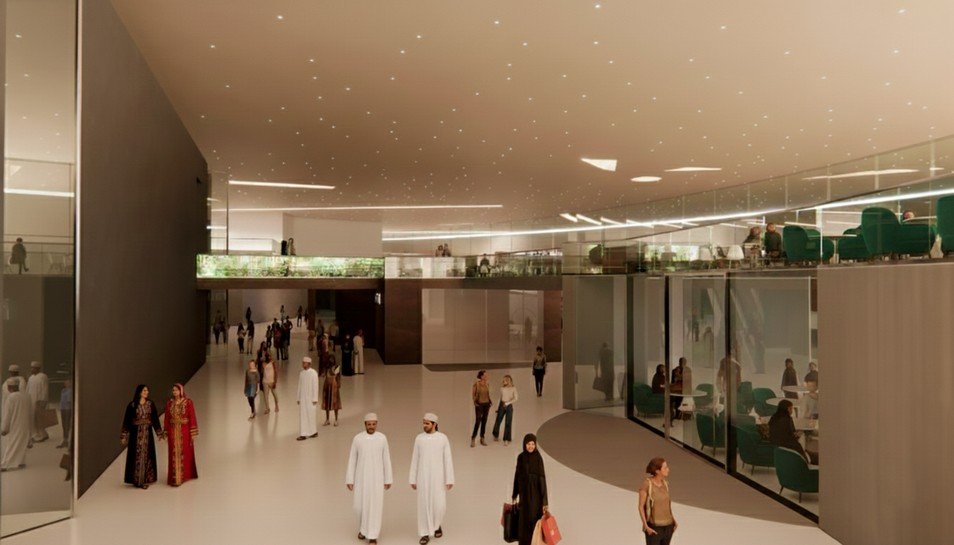
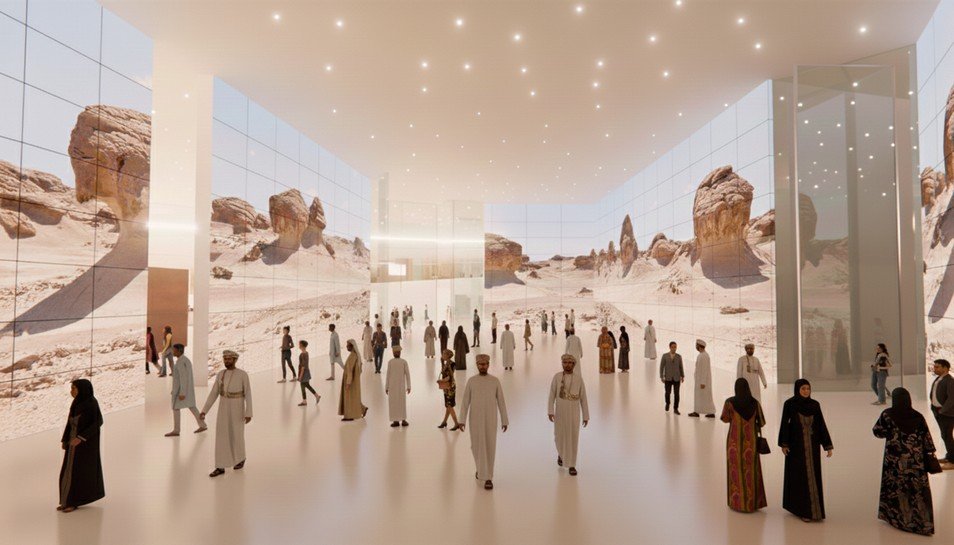
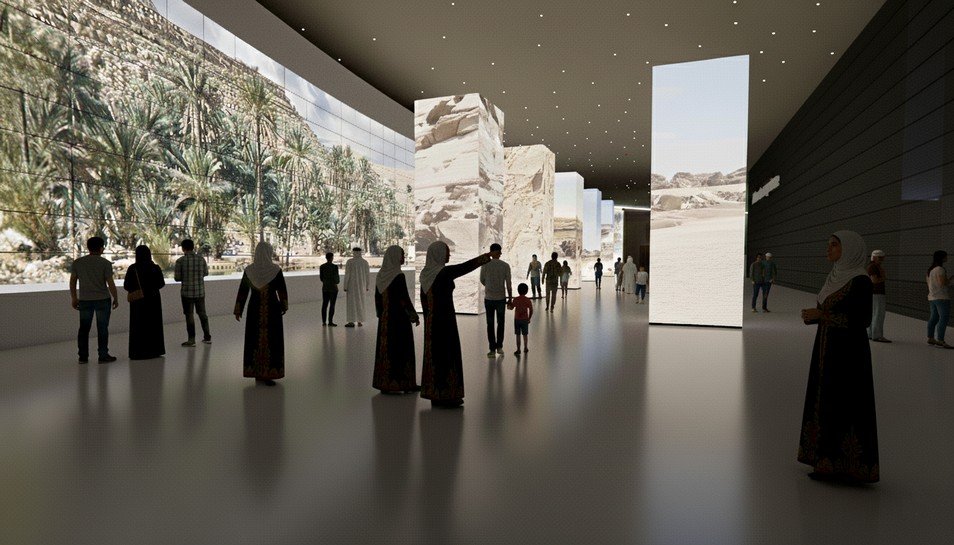
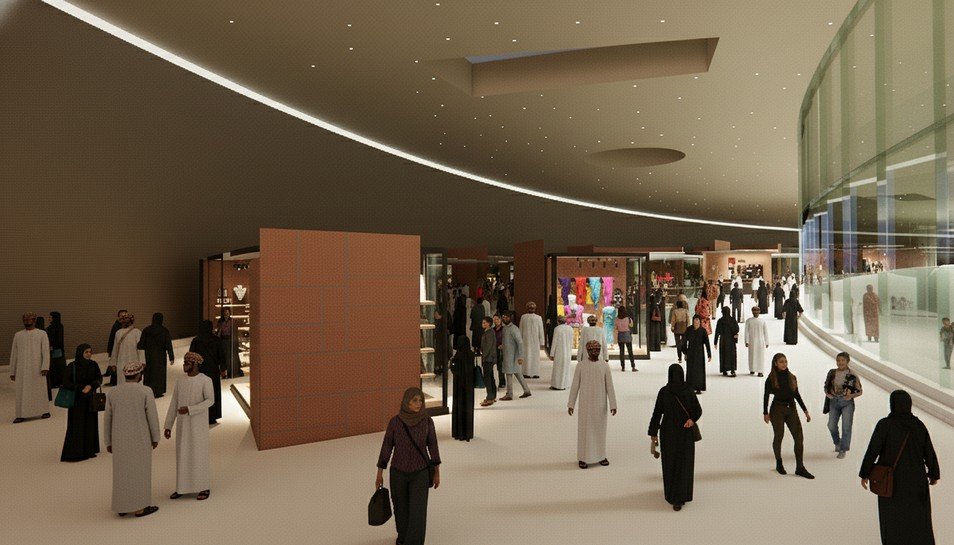
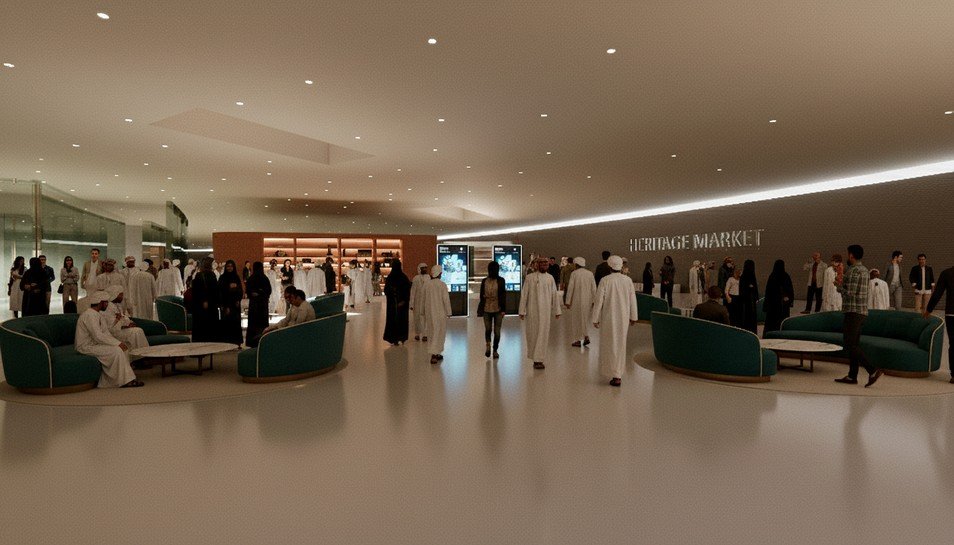
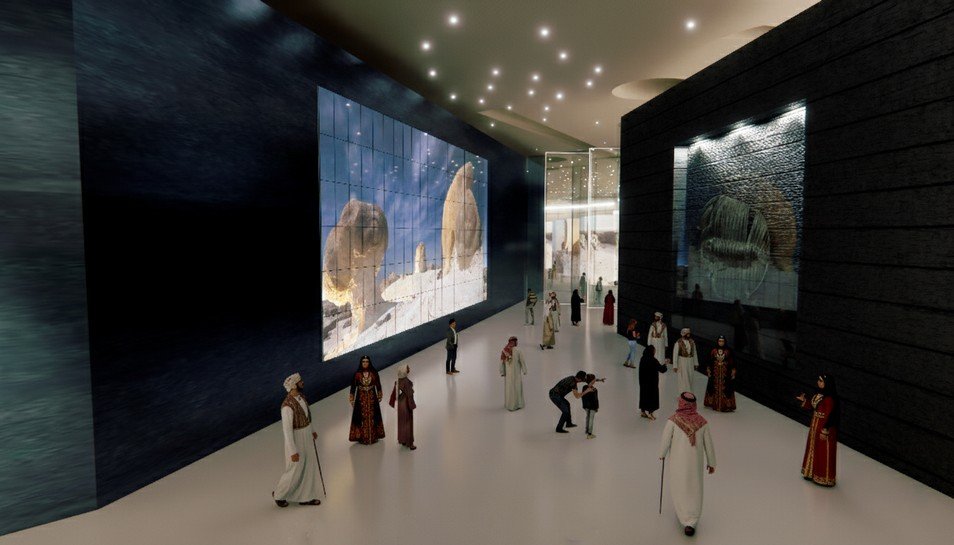
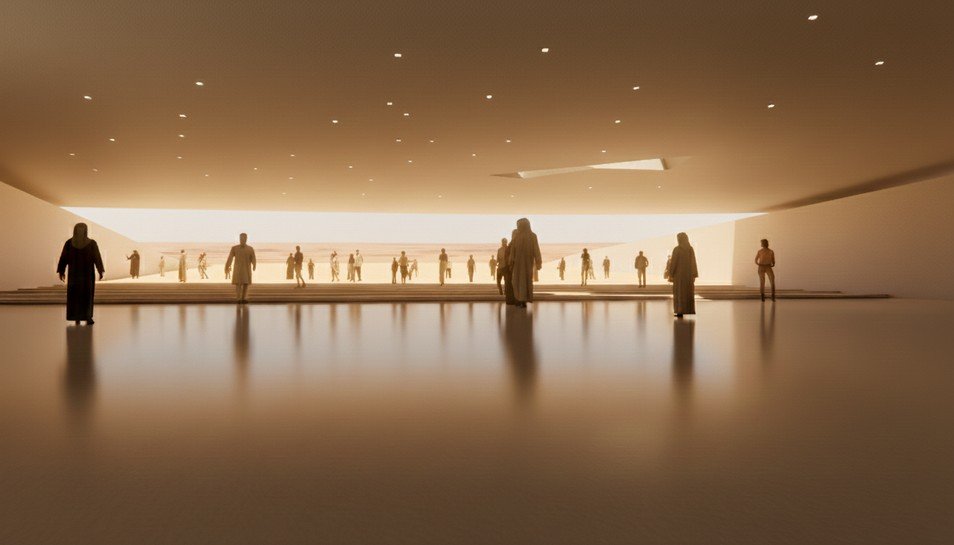
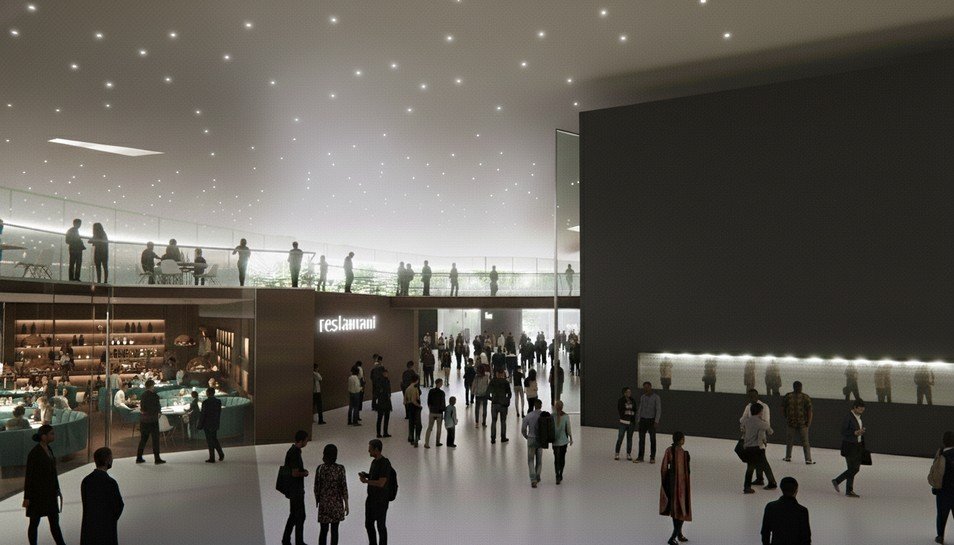
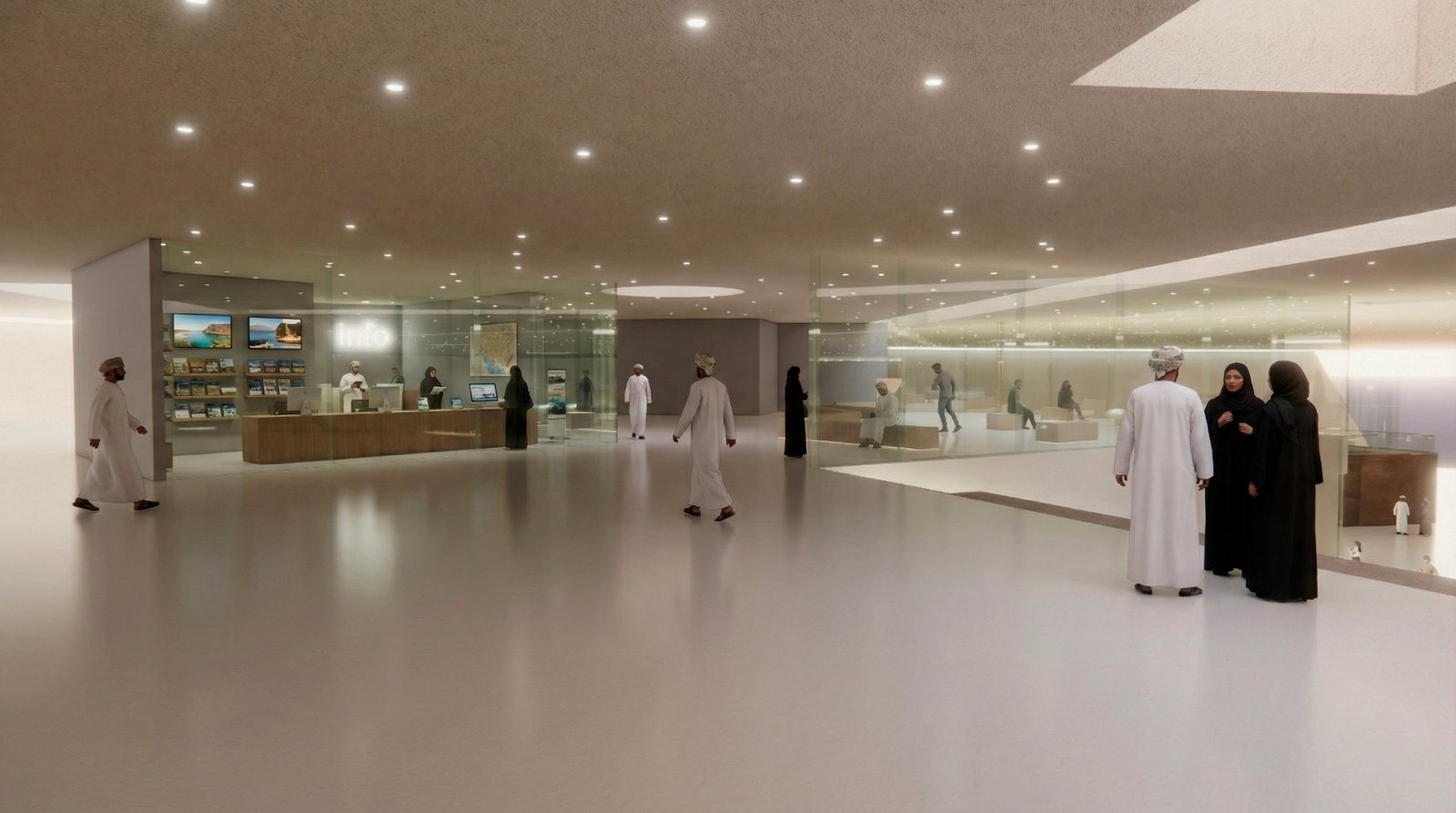
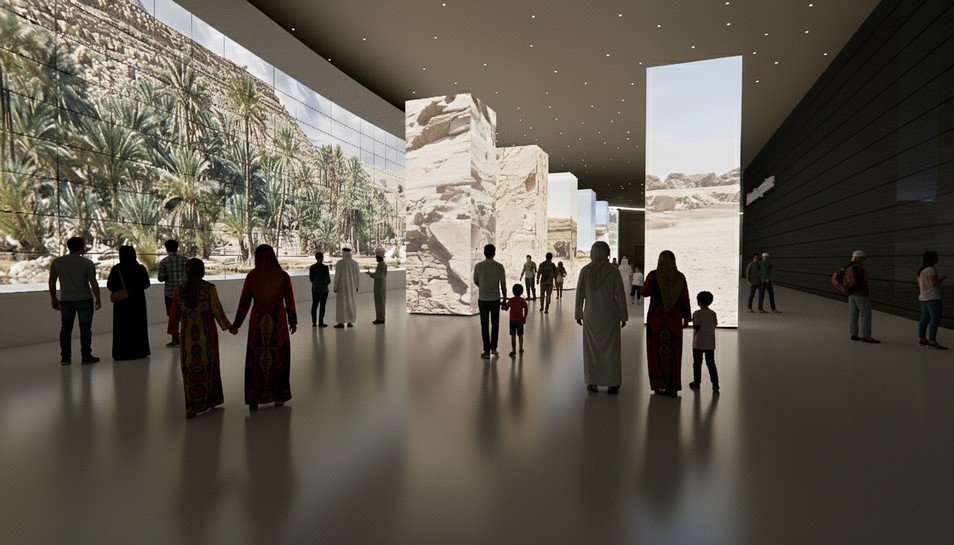
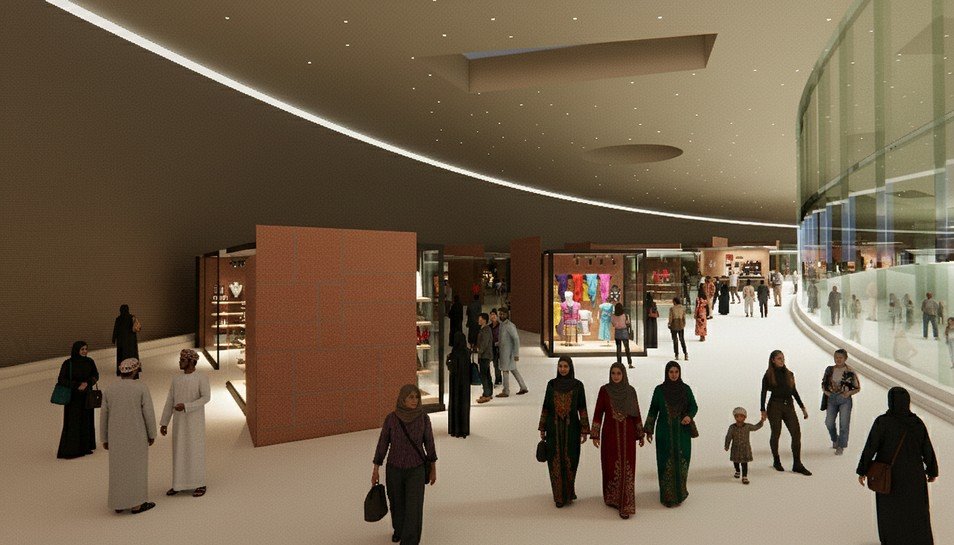
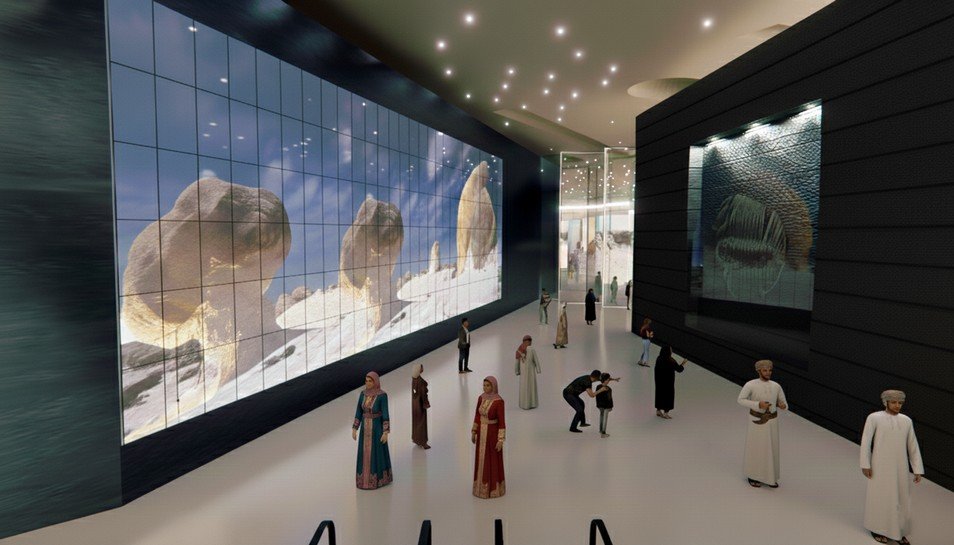
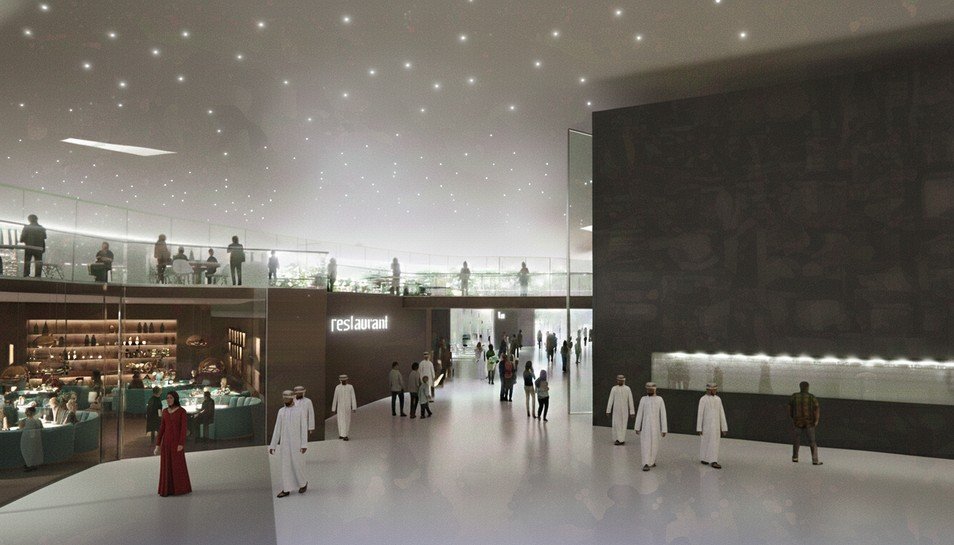
The project is expected to serve multiple functions: cultural preservation, ecological education, visitor experience enhancement, and economic activation within the broader SEZAD development strategy. At the heart of the proposal stands the Visitor Centre: a contemporary architectural landmark conceived to welcome guests, interpret the site’s geological and cultural richness, and host immersive exhibitions, learning spaces, and moments of pause. Around it, the master plan defines macro-areas and guidelines that preserve the integrity of the terrain, organize access and movement with care, and open measured opportunities for research, education, hospitality, and leisure—always in dialogue with the landscape.